
Views: 0 Author: Site Editor Publish Time: 2025-11-22 Origin: Site


A sparkling toilet bowl can be deceiving. While it might look clean on the surface, traditional cleaning methods often fall short, leaving behind a host of invisible germs and bacteria. The toilet brush, a staple in every bathroom, can ironically be one of the biggest culprits in spreading these contaminants. It's time to rethink our cleaning habits and explore more hygienic solutions.
Cleaning the toilet is a task few enjoy, but it's essential for a healthy home environment. The challenge lies not just in removing visible stains, but in effectively sanitizing the area to eliminate harmful microbes. Traditional plastic-bristled brushes are notorious for trapping moisture and debris, creating a perfect breeding ground for bacteria. Every time you use that brush, you could be reintroducing germs back into the bowl.
This guide will walk you through the most effective and hygienic methods for keeping your toilet pristine. We'll cover everything from the right tools to a step-by-step cleaning process that ensures a deep, lasting clean. We will also introduce a modern solution—the metal toilet brush—that is changing the game in bathroom hygiene. By the end of this post, you'll have the knowledge to transform your toilet cleaning routine from a dreaded chore into an efficient, sanitary process.
For decades, the standard toilet brush has featured stiff, plastic bristles. While they seem effective at scrubbing away stains, their design has significant flaws when it comes to hygiene. These bristles are porous and densely packed, making them a magnet for contaminated water and waste particles. After a single use, the brush head becomes a mini-ecosystem for bacteria, mold, and mildew.
When you place that damp brush back into its holder, the problem gets worse. The dark, enclosed environment of the caddy allows microbes to multiply rapidly. Studies have shown that a used toilet brush can harbor millions of bacteria, including E. coli and Salmonella. Each subsequent use not only fails to properly clean your toilet but can also spread these germs around the bowl and even aerosolize them into the air when you flush.
Furthermore, these plastic brushes wear down over time. The bristles fray, lose their shape, and become less effective at scrubbing. This leads to more frequent replacements, contributing to plastic waste. The short lifespan and inherent hygiene issues of traditional brushes make them a less-than-ideal choice for the modern, health-conscious household.
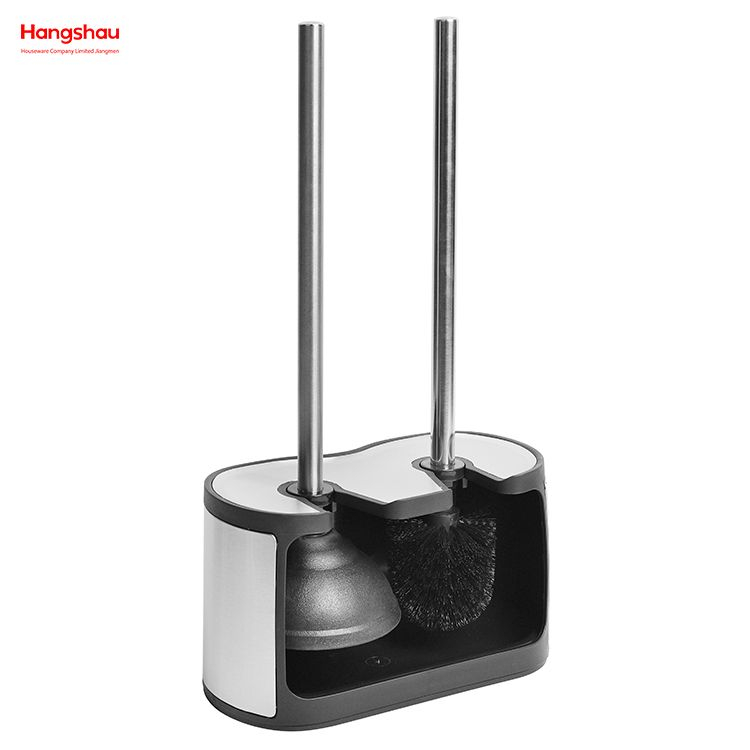
A significant innovation in bathroom hygiene is the metal toilet brush. Brands like Hangshau Houseware are leading the way with designs that address the shortcomings of traditional brushes. These brushes typically feature a handle made from durable stainless steel and a head made from a non-porous material like silicone or thermoplastic rubber (TPR).
The key advantage of a metal toilet brush with a silicone head is its hygienic design. Silicone is naturally resistant to bacteria and doesn't absorb water. The bristles are wider-spaced and less dense, which allows water and debris to rinse off completely after each use. This means the brush dries quickly, preventing the growth of mold and mildew. There are no tiny crevices for germs to hide in, making it a far more sanitary option.
These brushes are also incredibly durable. The stainless steel handle is rust-proof and built to last, while the silicone head maintains its shape and effectiveness over a much longer period than plastic bristles. This longevity not only makes it a more sustainable choice but also a more cost-effective one in the long run.
To better understand the differences, here’s a direct comparison:
Feature | Traditional Plastic Brush | Metal Toilet Brush (with Silicone Head) |
Material | Porous plastic bristles, plastic handle | Non-porous silicone/TPR head, stainless steel handle |
Hygiene | Traps water and debris, fostering bacteria growth | Repels water, easy to rinse clean, quick-drying |
Durability | Bristles fray and deform quickly; requires frequent replacement | Head and handle are long-lasting and retain shape |
Cleaning Power | Can be abrasive and scratch porcelain surfaces | Flexible bristles clean under the rim effectively without scratching |
Sustainability | Contributes to plastic waste due to frequent replacements | Reduces waste with its long lifespan |
Odor | Can develop unpleasant odors over time | Remains odor-free due to its hygienic properties |
Having the right tools is only half the battle. Following a systematic process ensures you achieve a truly hygienic clean every time.
Before you begin, assemble everything you need. This prevents you from having to search for items mid-clean and spreading germs around the bathroom.
· A high-quality toilet cleaner
· A metal toilet brush, like one from Hangshau Houseware
· Disinfectant spray or wipes
· Rubber gloves
· Paper towels or a dedicated cleaning cloth
Start by applying your toilet cleaner around the inside of the bowl, making sure to get it right up under the rim where germs love to hide. Let the cleaner sit for at least 5-10 minutes (or as directed by the product instructions). This allows the active ingredients to break down stains and kill bacteria, making the scrubbing process much easier and more effective.
While the cleaner works its magic inside the bowl, use this time to clean the outside of the toilet. Put on your rubber gloves. Spray a disinfectant cleaner on all exterior surfaces, including the tank, the lid, the seat (both sides), the base, and the handle. Pay special attention to the flush handle and the bolts at the base of the toilet, as these are high-touch areas. Wipe everything down with paper towels or a cleaning cloth, using a fresh sheet for different sections to avoid cross-contamination.
Now it's time to scrub the inside of the bowl. Grab your metal toilet brush. The flexible silicone bristles are perfect for reaching deep into the U-bend and maneuvering under the rim. Scrub the entire surface of the bowl thoroughly, working your way from the top down. The applied cleaner should make it easy to remove any remaining rings or stains.
Once you've finished scrubbing, flush the toilet. As the clean water rushes into the bowl, hold your toilet brush in the stream. This will rinse away any remaining cleaner and debris from the bristles. Because silicone is non-porous, everything will wash away easily. Give the brush a good shake over the bowl to remove excess water.
This is a crucial step often missed with traditional brushes. To ensure your brush stays hygienic, it needs to dry completely before being stored. A simple trick is to place the brush handle between the toilet seat and the bowl, letting the head hang over the open bowl to air dry for a few minutes. Once it's dry, place it back in its holder. Many modern brush holders, like those from Hangshau Houseware, are designed with ventilation to promote quick drying.
Maintaining a hygienic bathroom doesn't have to be a complicated chore. By upgrading your tools and refining your technique, you can ensure your toilet is not just visibly clean, but truly sanitized. Making the switch to a metal toileat brush with a silicone head is a simple yet powerful step toward a healthier home.
Investing in quality products from brands like Hangshau Houseware provides a more effective, durable, and sanitary solution for one of the most important cleaning tasks. You'll save money on replacements, reduce plastic waste, and gain peace of mind knowing your bathroom is as clean as it can be. Adopt these practices today and experience the difference a truly hygienic clean can make.


